 P.O. Box 2039 Lubbock, TX 79408
  (800) 457-2096

Water Well Rehabilitation: Restoring Performance and Extending Well Life
Rehabilitate means to restore, reinstate, or put back in good condition.
When it comes to water wells, rehabilitation means one thing to every owner:
Getting your well producing water efficiently and affordably again.
At Cotey Chemical Corporation, our goal is to help you do just that — to bring your well back to life, save energy costs, and extend its service life using proven mechanical and chemical rehabilitation techniques.
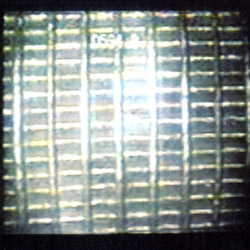
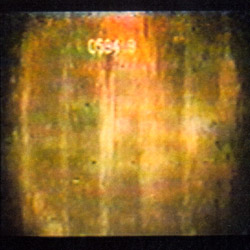
Before (left) and after (right) pictures of a well screen on a well that has been rehabilitated.
As a water well ages, its ability to produce water efficiently tends to decrease. Whether by hard water deposits, biofouling, or physical plugging, all water wells develop performance issues over time. This guide explains how to identify well problems early and discusses effective rehabilitation methods to restore lost capacity, reduce energy costs, and extend the life of your well.
Understanding Well Performance and Specific Capacity
A common measure of water delivery is specific capacity, defined as the pumping rate (gallons per minute) divided by the drawdown or increased depth to water during pumping (measured in feet). Monitoring your well’s specific capacity annually provides early warning signs of deterioration.
To track well performance effectively, maintain records of:
- Original flow rate and drawdown measurements
- Annual specific capacity calculations
- Energy costs for pumping operations
- Water quality test results
Generally, a decrease of 25% or more in specific capacity indicates that rehabilitation is in order. Delaying rehabilitation can significantly increase costs and, in some cases, make restoration impossible.
Warning Signs Your Well Needs Rehabilitation
Watch for these indicators that suggest your well is experiencing problems:
- Decreased pumping water level (increased drawdown)
- Rising energy costs for the same pumping operations
- Reduced water flow from the well
- Declining water quality or appearance of sediment
- Increased sand content in the water
Research shows that all water wells begin plugging, albeit in tiny amounts, from the day they first produce water. Early detection through annual monitoring allows for timely intervention before problems become severe.
Diagnose the problem using our quick reference table
Common Causes of Well Deterioration
Understanding what causes well performance to decline helps determine the most effective rehabilitation approach.
Mineral Deposits and Incrustation
Hard water deposits from calcium and magnesium salts create cement-like obstructions on well screens, in gravel packs, and throughout the water-bearing formation. These mineral deposits are often the most challenging to remove because:
- Most mineral plugging occurs outside the well screen
- Deposits can extend far into the formation
- Hard minerals create extremely durable obstructions
Bio-Fouling and Bacterial Growth
Iron bacteria and other microorganisms create slimy biomasses that rapidly clog well screens and formation pores. While softer than mineral deposits, biological fouling can render a well virtually useless in months if left untreated.
Physical Plugging
Fine particles from the aquifer slowly migrate toward the well screen, causing:
- Screen clogging
- Reduced flow capacity
- Sediment accumulation in the well
Additional Causes
Other factors contributing to well deterioration include:
- Mud cake buildup
- Oil film accumulation
- Algae growth
- Rust and corrosion of well components
- Sand pumping from improperly developed wells
Methods for Water Well Rehabilitation
Successful well rehabilitation typically combines mechanical and chemical approaches. Each method has specific applications and limitations.
Mechanical Rehabilitation Methods
Mechanical solutions initiate energy in the well bore to break up obstructions and restore water pathways. Common techniques include:
Wire Brushing: Physical scrubbing of the well screen to remove soft deposits and biofilm.
Surging: Creating back-and-forth water movement to dislodge particles and stimulate the formation.
High-Pressure Jetting: Injecting water under extreme pressure to clean screen openings and formation pores.
Limitations of Mechanical Methods: The well screen, gravel pack, and formation all deflect mechanical energy from its intended targets. Mechanical solutions work best on soft materials inside the well bore but struggle with hard mineral deposits and materials far from the screen.
Chemical Rehabilitation Methods
Chemical treatments penetrate deeply into the formation because they travel with and similar to water. This provides thoroughness that mechanical energy alone cannot achieve.
Advantages of Chemical Treatment:
- Penetrates screen, gravel pack, and formation
- Completely dissolves hard mineral deposits
- Holds dissolved materials in suspension for removal
- Reaches plugging far beyond mechanical barriers
- Particularly effective on calcium scale, rust, and mineral incrustation
Common Chemical Applications:
- Acid treatments for dissolving mineral deposits and calcium scale
- Chlorine solutions for treating iron bacteria and bio-fouling
- Specialized formulations for mud-cake removal, oil film, and algae
- Dispersing agents to break down and suspend particles
Important Safety Note: Chemicals affect only what they contact. Professional application ensures proper concentration, contact time, and agitation for maximum effectiveness.
For additional detail see:
Combined Approach for Best Results
The most effective rehabilitation programs utilize both mechanical and chemical methods:
- Mechanical agitation breaks up soft materials and creates pathways
- Chemical treatment dissolves hard deposits and penetrates deeply
- Additional mechanical action removes dissolved materials from the well
- Development procedures restore proper flow patterns
This combination addresses both immediate obstructions and deep formation plugging that mechanical methods alone cannot reach.
Real-World Results: Case Study
A farmer in West Texas noticed declining performance in his well serving a quarter-mile pivot (120 acres). After consultation with a professional contractor, he opted for combination mechanical and chemical rehabilitation.
Results of the rehabilitation:
- Restored lost pumping capacity
- Increased pumping water level by 50 feet (reduced drawdown)
- Saved $1,036.80 annually in electricity costs
- Improved water quality significantly
- Extended overall well life
The reduced drawdown meant the pump didn’t have to lift water as far, directly translating to lower energy consumption and reduced wear on pump components.
The Value of Water Well Rehabilitation

Rehabilitation Planning and Execution
Step 1: Diagnose the Problem
Before beginning rehabilitation, conduct a thorough assessment:
- Review well history and original specifications
- Calculate current specific capacity
- Compare to historical performance data
- Inspect with downhole video camera if possible
- Identify primary causes of performance loss
Note: Specific capacity drops don’t always directly correlate with the degree of plugging. Documented cases show wells with relatively small capacity drops that are nearly completely plugged upon video inspection. Professional assessment is crucial for accurate diagnosis.
Step 2: Select Appropriate Methods
Based on the assessment, determine whether to use:
- Chemical treatment only (for mineral or biological issues)
- Mechanical methods only (for loose sediment)
- Combined approach (most common for established plugging)
Step 3: Proper Chemical Application
When using chemical treatments:
- Calculate well volume accurately to determine chemical quantities
- Select formulations appropriate for the specific plugging type
- Ensure adequate contact time (often 12-24 hours)
- Agitate the well to maximize chemical contact
- Remove dissolved materials completely
- Develop the well after treatment
Step 4: Well Development
Proper development after rehabilitation:
- Removes all dislodged materials
- Restores formation permeability
- Stabilizes the aquifer around the screen
- Establishes proper flow patterns
Step 5: Testing and Verification
After rehabilitation:
- Measure new specific capacity
- Compare to pre-rehabilitation performance
- Document improvements for future reference
- Establish new baseline for ongoing monitoring
Preventive Well Maintenance Best Practices
Regular maintenance prevents severe deterioration and reduces rehabilitation costs:
Annual Monitoring
- Check specific capacity at the same time each year
- Monitor energy costs for unusual increases
- Test water quality
- Inspect visible well components
Every Three Years
- Conduct comprehensive water quality testing
- Review pump performance metrics
- Assess any changes in water clarity or taste
Every Ten Years
- Professional well inspection
- Video camera survey if warranted
- Comprehensive performance evaluation
Record Keeping
Maintain detailed records including:
- Well completion report with original specifications
- Annual specific capacity calculations
- Water quality test results
- Inspection reports
- Rehabilitation work performed
- Equipment warranties and service records
Cost Considerations and Return on Investment
Well rehabilitation offers significant economic advantages over drilling new wells:
Typical Savings:
- Restoration costs are 20-40% of new well drilling costs
- Reduced energy consumption from improved hydraulics
- Extended life of pump and well components
- Avoided costs of temporary water supply during new well installation
- Improved water quality reduces treatment needs
Calculating ROI: Track energy costs before and after rehabilitation. Many well owners see payback periods of 2-3 years from electricity savings alone, not counting extended equipment life and improved production capacity.
When to Call a Professional
Contact a licensed water well contractor when you notice:
- Any decline in well performance
- Changes in water quality
- Increased pumping costs
- Sediment or cloudiness in water
- Unusual pump behavior or noises
Early professional intervention prevents minor issues from becoming major problems. Experienced contractors can:
- Properly diagnose the cause of decline
- Recommend appropriate rehabilitation methods
- Apply chemicals safely and effectively
- Use specialized equipment for mechanical cleaning
- Ensure complete restoration of well performance
Treatment Products and Tools
Effective rehabilitation requires appropriate materials:
Chemical Treatment Products: Specialized formulations designed for specific well problems:
- Acid-based products for mineral deposit removal
- Bactericides for iron bacteria and bio-fouling control
- Dispersing agents for mud cake and fine particles
- Scale inhibitors for preventing future buildup
Mechanical Tools:
- Well brushes sized for specific casing diameters
- Surge blocks for agitation
- Jetting equipment for high-pressure cleaning
- Video inspection cameras for assessment
Volume Calculation: Use well dimension calculators to determine the precise volume of your well, ensuring accurate chemical dosing for effective treatment without waste.
Materials Compatibility
Well rehabilitation products must be compatible with well construction materials:
- Plastic casing and components: Require pH-neutral or specially formulated products
- Metal screens and casing: Can tolerate stronger acid solutions but require corrosion considerations
- Rubber components: Need compatible chemical formulations
Always verify product compatibility with your well construction before application.
Summary: Restore, Don’t Replace
Water well rehabilitation offers a cost-effective alternative to drilling new wells. By combining mechanical and chemical methods, well owners can:
- Restore lost capacity and return wells to original performance or better
- Reduce operating costs through improved hydraulic efficiency
- Extend equipment life by reducing pump strain and wear
- Improve water quality by removing bio-fouling and contamination
- Increase overall well longevity through proper maintenance
Regular monitoring of specific capacity and energy costs provides early warning of problems, allowing timely intervention before rehabilitation becomes difficult or impossible. Whether dealing with mineral deposits, bio-fouling, physical plugging, or combined issues, professional rehabilitation restores water production efficiently and economically.
For wells showing declining performance, prompt action with appropriate mechanical and chemical methods maximizes restoration success and minimizes costs. The investment in quality rehabilitation pays dividends through reduced energy consumption, restored capacity, and extended well life—helping ensure reliable water production for years to come.
For professional well rehabilitation services and treatment products, consult licensed water well contractors in your area who use proven mechanical and chemical rehabilitation techniques.